Farmico-X
A modular blockchain ecosystem enabling end-to-end track & trace across commodity supply chains, ensuring transparency, authenticity, and real-time visibility from origin to final trader.
 blokminers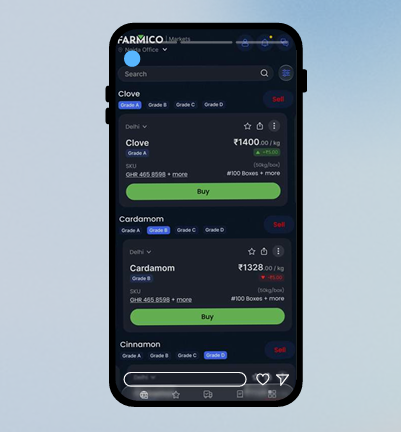
The Challenge
Global commodity supply chains are notoriously opaque, making it nearly impossible to verify the origin, handling conditions, or authenticity of goods as they pass through multiple intermediaries. This opacity creates fertile ground for fraud, food safety failures, and sustainability misrepresentation. Existing paper-based and siloed digital systems offered no way to provide end-to-end visibility across the full chain.
Our Approach
We architected Farmico-X as a modular blockchain ecosystem where each participant in the supply chain — farmers, logistics providers, processors, wholesalers, and final traders — records their interactions on a shared immutable ledger. IoT sensor integration allows physical conditions like temperature, humidity, and location to be captured automatically and anchored on-chain. The modular design supports different commodity types and supply chain configurations without rebuilding the core infrastructure.
Key Features
Farmico-X includes origin certification and on-chain provenance recording, real-time IoT data anchoring for environmental and logistical conditions, QR-code-based consumer-facing transparency portals, smart contract automation for compliance checkpoints and payment triggers, and a dashboard providing traders with a unified view of every batch at any point in its journey.
Impact & Results
Pilot deployments in agricultural commodity supply chains reduced the time to trace a suspect batch from days to under four minutes. Verified provenance data allowed premium pricing for authenticated sustainably-sourced produce, directly increasing farmer revenues. Participating traders reported a material reduction in dispute resolution time as the blockchain record provided irrefutable evidence of conditions at every stage.
What's Next
Farmico-X is expanding beyond agricultural commodities into minerals, pharmaceuticals, and luxury goods — any sector where authenticity and chain of custody carry commercial or regulatory weight. Integration with carbon credit protocols will allow verified sustainable practices to generate certified offsets directly from supply chain data, creating a new revenue stream for compliant producers.